
"coffee disaster"
3000 article(s) found
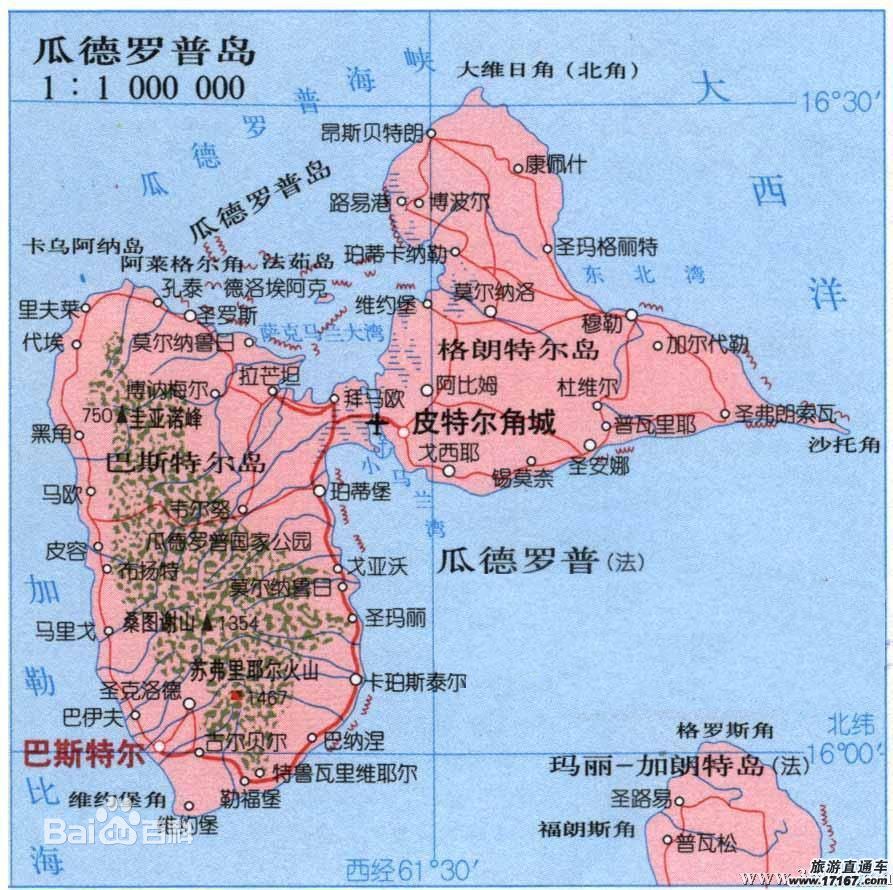
A brief introduction to the Flavor of Fine Coffee beans in French Guadeloupe Island in Africa
Good coffee production has been affected by natural disasters this group of islands in the Caribbean used to be an important producer of coffee. In 1789, more than 1 million coffee trees on 500 hectares of land produced 4000 tons. Today, only 150 hectares of land is used to grow coffee. This decline can be attributed to the increase in sugar cane and banana production and Hurricane Hurricane Ines in 1996.

Introduction to the varieties and producing areas of coffee beans in Indonesia
At first, Indonesian coffee was Arabica, and the Arabica manor was destroyed by the leaf rust disaster at the end of the 18th century. at first, the Dutch tried to plant Liberian species, and later, they began to plant Robsta species on a large scale. At present, Arabica species account for about 10-15% of the coffee produced in Indonesia, and the rest is Robusta. Although Liberika species are produced, they are basically not in coffee.

Pure Blue Mountain Coffee Jamaica Coffee Blue Mountain Coffee Why is it so expensive?
Why is Blue Mountain coffee so expensive? This has something to do with the fact that the Japanese love the delicate and elegant smell of the Blue Mountains. In addition, the area of Jamaica

The altitude of coffee growing area
Over the years, a group of the most authoritative coffee growers in China have written books and repeatedly stressed that coffee cultivation should not exceed 1200 meters above sea level, otherwise there will be the danger of frost!

Coffee bean production methods and production introduction
A brief history of coffee production In 1742, coffee was introduced into El Salvador from the Caribbean (one said 1740). In the mid-19th century, El Salvador's original export pillar Indigo (Indigo, a dye) gradually declined due to the development of synthetic dyes in Europe, and coffee gradually became the main export product under the leadership of the government. In 1856, the first 693 bags of coffee beans were shipped to Europe. always

A brief introduction to the cultivation of boutique coffee beans on Mount Everest in El Salvador, geographical location, climate and altitude
The current situation of coffee production is a natural and man-made disaster, which is a perfect description of the challenges facing the coffee industry in El Salvador. Despite getting rid of the haze of war, El Salvador's coffee production still faces challenges from time to time, including: 1998, hurricanes; 2001, earthquakes; 2002, volcanic eruptions; 2012, leaf rust

Introduction to the flavor of Salvadoran coffee
A brief History of Coffee production in 1742, coffee was introduced to El Salvador from the Caribbean (1740). In the mid-19th century, El Salvador's original export pillar Indigo (one of the dyes) received a gradual decline in the development of synthetic dyes in Europe, and coffee gradually became the main export product under the guidance of the government. In 1856, the first 693 bags of coffee beans were shipped to Europe. all long

Introduction to the Flavor of Coffee in Indonesia
Mantenin's leaping acid mixes with the richest aroma, making your relaxed body manning coffee lively in a mild fragrance, and its outstanding taste captivates many suitors. In the 17th century, the Dutch introduced Arabica seedlings to Ceylon (present-day Sri Lanka) and Indonesia. In 1877, a large-scale disaster struck Indonesia

Java coffee, also known as old Java, has a stronger aroma.
Professional Coffee knowledge Exchange more information on coffee beans Please follow the coffee workshop (Wechat official account cafe_style) Java produces only a small amount of Arabica beans, most of which are imported from Africa after the rust disaster. This kind of coffee has a strong bitter taste after roasting, but the flavor is extremely light. Although the acidity is low and the taste is delicate, it is rarely used for direct drinking.

West Java Coffee Bean Varieties with Rich Flavor
At present, 90% of coffee beans exported from Indonesia are Robusta beans and only 10% are Arabica beans. Before 1920, due to a major environmental disaster, Indonesia's coffee varieties were replaced by Robusta beans. Therefore, Sumatra's Mantenin coffee is a rare Arabica bean, which is a treasure before the discovery of Blue Mountain. Such genuine production is also very small
The flavor of boutique coffee Mandenin coffee
Mantning's leaping micro-acid is mixed with the richest aroma, allowing you to easily taste the lively factor in the mild fragrance, and its outstanding taste confuses many suitors. In the 17th century, the Dutch first introduced Arabica saplings to Ceylon (present-day Sri Lanka) and Indonesia. In 1877, a large-scale disaster hit the Indonesian islands, causing coffee rust

Introduction to the Flavor of Indonesian Manning Coffee
Amorous mantra leaping slightly acid mixed with the richest aroma, so that your relaxed body mantenin coffee to a mild fragrance in the lively factor, its outstanding taste captivated many suitors. In the 17th century, the Dutch introduced Arabica seedlings to Ceylon (present-day Sri Lanka) and Indonesia. In 1877, a large-scale disaster attack

History and culture of coffee in El Salvador
A brief History of Coffee production in 1742, coffee was introduced to El Salvador from the Caribbean (1740). In the mid-19th century, El Salvador's original export pillar Indigo (one of the dyes) received a gradual decline in the development of synthetic dyes in Europe, and coffee gradually became the main export product under the guidance of the government. In 1856, the first 693 bags of coffee beans were shipped to Europe. all long

Brief History and present situation of Coffee production
A brief History of Coffee production in 1742, coffee was introduced to El Salvador from the Caribbean (1740). In the mid-19th century, El Salvador's original export pillar indigo (Indigo, a kind of dye) industry received a gradual decline in the development of synthetic dyes in Europe, and coffee gradually became the main export product under the leadership of the government. In 1856, the first 693 bags of coffee beans were shipped to Europe.

Brief introduction of coffee production in El Salvador
A brief History of Coffee production in 1742, coffee was introduced to El Salvador from the Caribbean (1740). In the mid-19th century, El Salvador's original export pillar Indigo (one of the dyes) received a gradual decline in the development of synthetic dyes in Europe, and coffee gradually became the main export product under the guidance of the government. In 1856, the first 693 bags of coffee beans were shipped to Europe. all long
Some coffee-growing areas in Kenya will not be able to cultivate by 2050
Scientists warn that climate change will be permanent, so growers may be forced to revolutionize their farming methods, including the types of crops they grow, Kenya's Business Daily reported. Experts predict that some tea and coffee growing areas will not be able to cultivate by 2050. Experts say the dry climate will make it harder to grow in central Kenya.

A brief history of coffee production in El Salvador
A brief History of Coffee production in 1742, coffee was introduced to El Salvador from the Caribbean (1740). In the mid-19th century, El Salvador's original export pillar Indigo (one of the dyes) received a gradual decline in the development of synthetic dyes in Europe, and coffee gradually became the main export product under the guidance of the government. In 1856, the first 693 bags of coffee beans were shipped to Europe. all long

A brief History of Coffee production in El Salvador
A brief History of Coffee production in 1742, coffee was introduced to El Salvador from the Caribbean (1740). In the mid-19th century, El Salvador's original export pillar Indigo (one of the dyes) received a gradual decline in the development of synthetic dyes in Europe, and coffee gradually became the main export product under the guidance of the government. In 1856, the first 693 bags of coffee beans were shipped to Europe. all long

Choose which kinds of coffee beans to match better.
Because coffee beans are a kind of crop, the flavor of even the same kind of coffee beans will be different from year to year, so mixing several kinds of coffee beans can solve this problem and keep the taste basically the same every year. Balanced taste because one of the features of the Italian coffee machine is that it magnifies the most prominent flavor of coffee beans, so

The origin and development of Indonesian West Java coffee beans
Except for W.I.B., which is larger, the rest are smaller. The biggest difference lies in the processing after harvest, so there are some differences in appearance, aroma and taste. Java produces only a small amount of Arabica beans, while most of them are Romstar beans imported from Africa after rust disaster. This roasted coffee has a strong bitter taste but an extremely light aroma, although it has a low acidity and a good taste.